Loading...
Serving Rapid City, SD and surrounding areas. (605) 646-9056
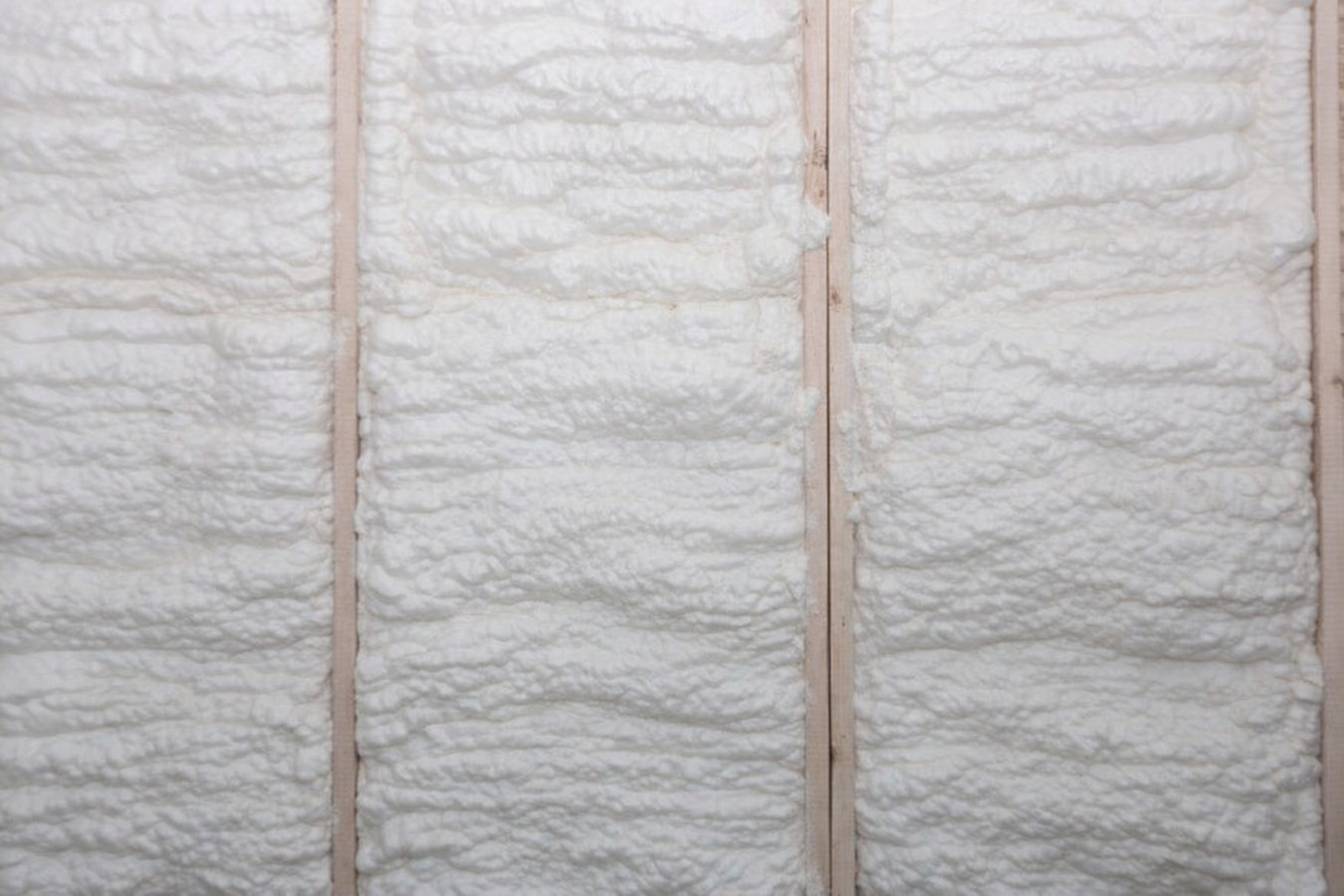
Open-cell foam insulates and air-seals in a single pass, stopping heat from escaping through your attic and walls so Rapid City winters stop showing up on your monthly gas bill.
Open-cell foam insulation in Rapid City is sprayed as a liquid that expands to fill every gap, crack, and cavity in your attic, walls, or crawl space, bonding to surfaces and creating a continuous air seal - most residential jobs are complete in one to two days. Unlike fiberglass batts that sit loosely in a cavity and let air move around them, open-cell foam sticks to the framing, sealing the penetrations that let Rapid City cold air sneak through at the same time it adds insulating value. The material is soft and spongy when cured, which makes it a practical choice for large attic areas and interior wall cavities where cost per square foot matters.
Most Rapid City homeowners asking about open-cell foam are looking for a more thorough solution than fiberglass batts can offer, especially in homes where settled insulation and air leaks have never been addressed together. The air-sealing benefit is often what tips the decision - patching gaps before adding insulation is how you get a real reduction in heating costs, not just a marginal one. Open cell spray foam does both jobs in a single application, which is one reason it pairs well with attic air sealing work when you want to address the ceiling plane comprehensively.
Homes built in Rapid City before the mid-1980s were typically insulated to standards that fall well short of what Climate Zone 6 requires today. If yours is one of them, the foam installed by the original builder may have settled or been disturbed over the decades, leaving gaps you cannot see but can certainly feel in January.
If your gas or electric bill climbs noticeably every November and stays high through March, your home is losing heat faster than it should. Rapid City winters are long and genuinely cold, and a home with thin or aging insulation has to work much harder to stay warm. If you have ruled out a failing furnace and bills are still high, the insulation - starting with the attic - is the next logical place to look.
Rapid City chinook winds and winter gusts make air leaks very easy to feel. You will notice a chill near electrical outlets on exterior walls, along the baseboard, or where the ceiling meets the wall. These drafts mean outside air is finding its way through gaps that insulation alone cannot stop - foam seals those pathways rather than just slowing heat flow past them.
Thick ridges of ice forming at the edge of your roof after snowstorms are a classic sign that heat is escaping through your attic and melting snow unevenly. The meltwater runs to the cold eaves, refreezes, and backs up under your shingles. Proper attic insulation keeps heat in your living space and stops the cycle that creates ice dams in the first place.
Homes built in Rapid City before the mid-1990s were insulated to standards now considered inadequate by a wide margin. If you have never had insulation work done - or if a home inspection flagged thin or missing insulation - you are likely leaving real comfort and savings on the table. A quick look in your attic at the depth of existing material can tell you a lot before you ever call a contractor.
Rapid City Insulation Company installs open-cell spray foam in attics, crawl spaces, and interior wall cavities throughout the Black Hills region. The crew arrives with truck-mounted or trailer-mounted equipment, mixes the two-component foam system on-site, and applies it in controlled passes to build up to the target thickness. The foam expands rapidly - filling irregular cavities and bonding to framing, sheathing, and masonry - then hardens within minutes. Any foam that protrudes past the framing is trimmed flat so finishes can go on cleanly. We confirm the installed thickness before leaving and walk you through the results.
For many Rapid City homeowners, open-cell foam in the attic or crawl space is one part of a broader insulation upgrade. We often install it alongside attic air sealing to address both the thermal layer and the air barrier at the same time, since doing both together is more effective than either one alone. For homeowners who also need work in other areas of the house, open-cell foam is one option within a full range of spray foam insulation services that includes closed-cell foam for applications where higher density or moisture resistance is needed.
Best for homes where the attic is unconditioned - foam applied to the attic floor keeps heat in your living space below.
Suited for homes where moisture and cold both enter through an uninsulated crawl space, improving comfort on the first floor.
For homes with empty or inadequately filled wall framing - foam fills irregular gaps that batts and blown-in material can miss.
One of the most effective places to apply foam in older homes - seals the gap where the floor framing meets the foundation wall.
Rapid City sits at the eastern edge of the Black Hills in DOE Climate Zone 6, where winter lows regularly drop below zero and summer highs push past 100 degrees - a range that demands insulation performing at both extremes. Rapid City is also known for chinook winds that can swing temperatures by 40 to 50 degrees in hours, repeatedly expanding and contracting building materials until small cracks open in framing and sheathing. Fiberglass batts cannot seal those stress-related gaps - they just sit in the cavity. Open-cell foam bonds directly to the surface it touches, so it maintains its seal even as your home's materials shift with temperature. The U.S. Department of Energy estimates that proper air-sealing and insulation can reduce heating and cooling costs by up to 15 percent - and in Rapid City's climate, that savings adds up meaningfully across a heating season that runs October through April.
Many homes in Rapid City's established neighborhoods - particularly those built between the 1950s and 1980s in areas like the West Boulevard corridor and North Rapid - have original insulation that has settled, compressed, or been disturbed over decades. These homes are well-suited to a spray foam upgrade because the irregular cavities that make other insulation difficult to install are exactly what open-cell foam handles best. We serve homeowners throughout the region, including those in Box Elder and Sturgis, where the same mid-century housing stock and Black Hills climate conditions apply.
You reach out by phone or through the contact form, and we will ask a few basic questions about the space you want insulated and whether any existing insulation is in place. We reply within one business day and schedule a time to walk your home.
A technician visits your home, measures the area, and checks for moisture issues or structural concerns that should be addressed before foam is applied. You receive a written quote specifying the area covered, target thickness, and total cost - no vague per-square-foot estimates.
Clear the attic, crawl space, or work area of stored items before the crew arrives. Make sure the access hatch is easy to reach. The contractor may ask you to cover belongings in adjacent rooms if overspray is a concern. Plan to be out of the work area for the day.
The crew sets up outside, lays protective coverings, then sprays foam in passes to reach the target thickness. The foam expands and hardens quickly - a typical attic takes a few hours. Before they leave, the crew trims excess foam, confirms thickness, and walks you through the finished work.
Free estimate, no pressure. We will walk your home, tell you exactly what we recommend and why, and give you a written quote before any work begins.
(605) 646-9056Rapid City falls in DOE Climate Zone 6, which sets specific R-value targets for attic floors, walls, and floors over crawl spaces. We install to those standards on every job - not to a minimum that just looks good on paper. That means you get the protection the climate actually demands.
We measure installed depth and confirm it matches the written quote before the crew packs up. You get documentation of what was done, not just an invoice. That record is also what Black Hills Energy and federal tax credit programs ask for when you apply for rebates.
Black Hills Energy serves most of Rapid City and offers rebates for qualifying insulation work. We know the documentation those programs require and can help you get the paperwork in order so you capture the savings. The federal 25C tax credit for energy-efficient home improvements may also apply - ask us when you get your estimate. See current rebate details at the Black Hills Energy website.
Every estimate we provide specifies the area to be covered, the target thickness, and the total cost in writing before any work starts. You should never hire an insulation contractor without a written quote that includes the installed depth - that is the only way to compare quotes fairly and hold a contractor accountable.
Every job we do in Rapid City is backed by a written quote, documented results, and a crew that walks you through the work before leaving. The Spray Polyurethane Foam Alliance sets industry standards for product installation and technician training that we follow on every project.
Targeted gap-sealing at the attic floor level - stops warm air from escaping through penetrations around pipes, wires, and light fixtures before it reaches the cold attic.
Learn moreThe broader category covering both open-cell and closed-cell foam applications across all areas of your home, from rim joists to unvented roof assemblies.
Learn moreRapid City's spray foam season runs roughly late April through October - contractor schedules fill early, and booking now means the work is done before next heating season starts.