
Loading...
Serving Rapid City, SD and surrounding areas. (605) 646-9056
Rapid City Insulation Company provides air sealing, attic insulation, and crawl space services to Sheridan, WY homeowners in Craftsman bungalows, ranch homes, and two-story frame houses built across a century of construction. We reply to every Sheridan inquiry within 1 business day.
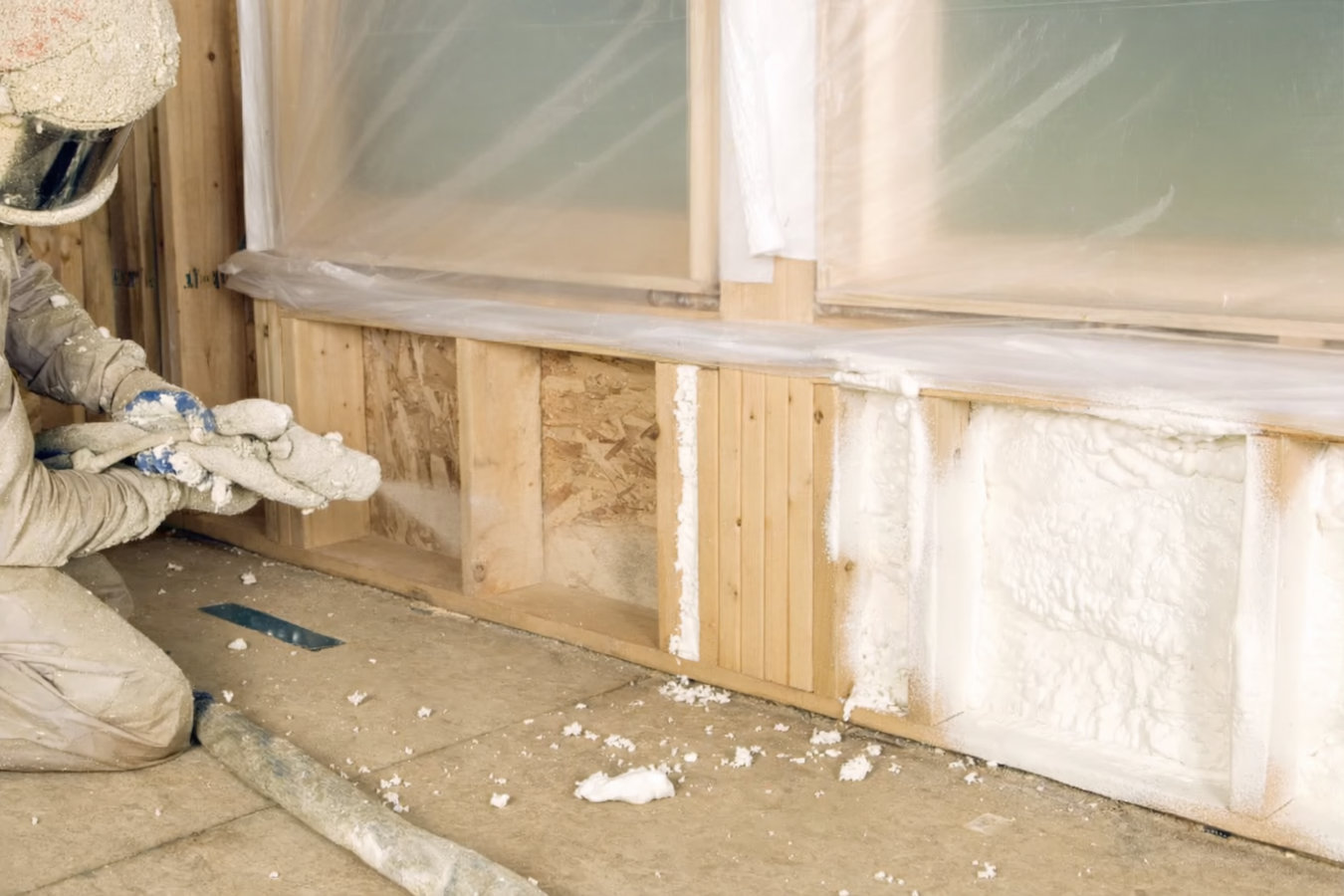
Sheridan sits at the foot of the Bighorn Mountains, and the chinook winds and winter cold that roll down from the range find every gap in a home's building envelope. Older Craftsman bungalows and two-story frame homes near downtown were built without air sealing as a deliberate step, meaning wire chases, pipe penetrations, and top plate gaps are open paths for cold air that insulation alone cannot stop. Learn more about how air sealing services stop infiltration at the source before attic insulation goes in.
Sheridan averages around 60 inches of snow annually, and the city sits at about 3,700 feet elevation, making winters colder and longer than lower-elevation Wyoming cities. Homes built in the early to mid-1900s - the Craftsman bungalows and two-story frame houses that fill the older neighborhoods - often have original loose-fill or batt that has settled over decades to a fraction of current Climate Zone 5 minimums. Bringing attic depth to the recommended R-49 level is the single most impactful upgrade for a Sheridan home's heating performance.
Sheridan's frost depth reaches several feet in a hard winter, and homes with uninsulated crawl spaces lose heat through the floor assembly throughout the season. Ranch-style homes from the 1950s and 1960s are common in Sheridan's east-side neighborhoods, and their shallow crawl spaces were almost never insulated at the time of construction. Insulating the crawl space walls and floor, combined with sealing the rim joist, stops the cold-floor effect and protects wood framing from the moisture that collects in unfinished crawl spaces.
Sheridan's older homes have attic spaces with irregular framing, sloped ceilings, and tight eave clearance that make blown-in loose-fill the most practical insulation method for upgrading depth without a full tear-out. Blown-in material settles around knee walls, dormers, and obstructions evenly, and it can be added on top of existing material in good condition - which saves cost and avoids disturbing old plaster ceilings on homes built in the 1920s through 1940s.
The stone and brick foundation walls on Sheridan's oldest homes create thermal bridging paths that fiber insulation cannot fully address. Spray foam applied to rim joists, band joists, and basement or crawl space walls seals air leaks and provides a continuous thermal break in areas where the foundation meets the above-grade structure. It is the right tool for the specific air and moisture challenges that show up in pre-1940s construction.
Sheridan's 60-inch average annual snowfall creates ice dam conditions every winter when attic heat escapes through unsealed penetrations and warms the roof deck unevenly. Sealing the attic floor before adding insulation - at plumbing chases, recessed lights, top plates, and duct penetrations - stops the stack effect that drives heat loss and prevents the ice dam formation that damages gutters, soffits, and fascia on Sheridan's older homes.
Sheridan was incorporated in 1884, and a large share of its housing stock reflects that long history. The older neighborhoods near downtown are filled with Craftsman bungalows and two-story wood-frame homes built in the early 1900s, and the east-side neighborhoods added ranch-style homes through the postwar decades. Homes this age were built without deliberate air sealing, with insulation levels far below current Climate Zone 6 requirements, and with stone or brick foundation elements that introduce thermal bridging. The freeze-thaw cycle in Sheridan is hard on building materials - frost depth reaches several feet in hard winters - and the repeated expansion and contraction opens gaps around foundations, windows, and sill plates over time.
The Bighorn Mountains rising directly west of the city shape the local climate in ways that make insulation performance more important here than in flatter, more sheltered areas. Chinook winds arrive suddenly in winter and early spring, delivering 30 to 40 degree temperature swings in just a few hours that stress roofing, siding joints, and exterior caulking. Average annual snowfall of around 60 inches puts sustained load on older rooflines and creates conditions for ice dam formation every season. The combination of old housing stock, wind exposure, deep cold, and significant snow makes proper insulation and air sealing a practical necessity for heating efficiency and building longevity in Sheridan homes.
Our crew regularly works on the Craftsman bungalows and older two-story homes that define the neighborhoods near Main Street, and we coordinate with the City of Sheridan when projects require permit review. Homes built in the 1900s through 1940s present access challenges that newer construction does not - tight attic clearances over plaster ceilings, original framing that is not on standard dimensions, and roof assemblies with multiple pitches that require careful sealing at every transition.
Sheridan is a city that holds onto its history. The Sheridan Inn on Fifth Street has stood since 1893, and many homeowners here have the same long-term connection to their properties - they are investing in a house they plan to keep, not flip. That mindset matches how we approach insulation work: the right material, installed correctly, with air sealing that actually prevents the problem rather than just adding depth on top of it.
We also serve homeowners in Scottsbluff, NE and other communities across our service area - if you are outside Sheridan proper but dealing with the same cold climate conditions, we can help.
Call or submit a form and we will respond within 1 business day. We schedule site visits around your calendar, and you do not need to take time off work - most assessments take less than an hour.
We inspect your attic, crawl space, and any areas of concern and measure the existing insulation. Your written estimate includes materials, labor, and a clear explanation of what we recommend and why - no pressure, no package upsells.
We seal attic penetrations first, then install insulation to the specified depth and R-value. Most Sheridan attic jobs are completed in a single day - you do not need to vacate the home, and the work area is cleaned before we leave.
We walk you through what was done, provide an itemized receipt that separates materials from labor, and answer any questions before we leave. The documentation is ready if you need it for a utility rebate application or your records.
Sheridan homeowners get a free on-site estimate with no obligation. We respond within 1 business day and work around your schedule.
(605) 646-9056Sheridan is a city of roughly 17,000 to 18,000 people at the base of the Bighorn Mountains along the eastern edge of Wyoming, and it is the largest city in Sheridan County. The mountains are visible from nearly every part of town and are a defining feature of daily life here. Older neighborhoods close to downtown are dense with Craftsman bungalows and two-story wood-frame homes from the early 1900s, many still carrying their original rooflines, covered front porches, and wood siding. The ranching culture of Sheridan County shapes the city as well - larger lots with detached garages, sheds, and workshop buildings are common even in-town, and properties on the west side of the city sit closer to the foothills where wind exposure is greater.
The postwar decades added ranch-style homes east of downtown, and those single-story houses from the 1950s through 1970s are now 50 to 70 years old and showing the kind of energy performance issues that come with that age - compressed attic insulation, open crawl spaces, and building envelopes that were never air-sealed. Homeownership rates in Sheridan are solid, and most residents invest in their properties for the long term. Nearby communities we also serve include Gillette, WY to the east and other areas across our service region.
High-performance spray foam that seals and insulates in a single application.
Learn moreLoose-fill insulation blown into attics, walls, and hard-to-reach cavities.
Learn moreCrawl space insulation that prevents moisture problems and cold floors.
Learn moreProfessional air sealing that stops drafts and improves HVAC efficiency.
Learn moreBasement insulation that keeps lower levels warm, dry, and comfortable.
Learn moreDense closed-cell spray foam with the highest R-value per inch available.
Learn moreFlexible open-cell spray foam ideal for interior walls and soundproofing.
Learn moreAttic air sealing that blocks conditioned air from escaping through the top.
Learn moreHeavy-duty vapor barriers that protect crawl spaces from ground moisture.
Learn moreVapor barrier installation throughout your home for moisture management.
Learn moreRetrofit insulation added to existing homes without major renovation work.
Learn moreCommercial insulation services for offices, warehouses, and industrial spaces.
Learn moreCall today or request a free estimate online - we schedule Sheridan jobs within days, not weeks, and we respond to every inquiry within 1 business day.