Loading...
Serving Rapid City, SD and surrounding areas. (605) 646-9056
Rapid City Insulation Company serves Gillette, WY with closed-cell foam insulation, attic upgrades, and crawl space services for the single-family ranch homes built during the 1970s-1990s energy boom. We reply to every Gillette inquiry within 1 business day.
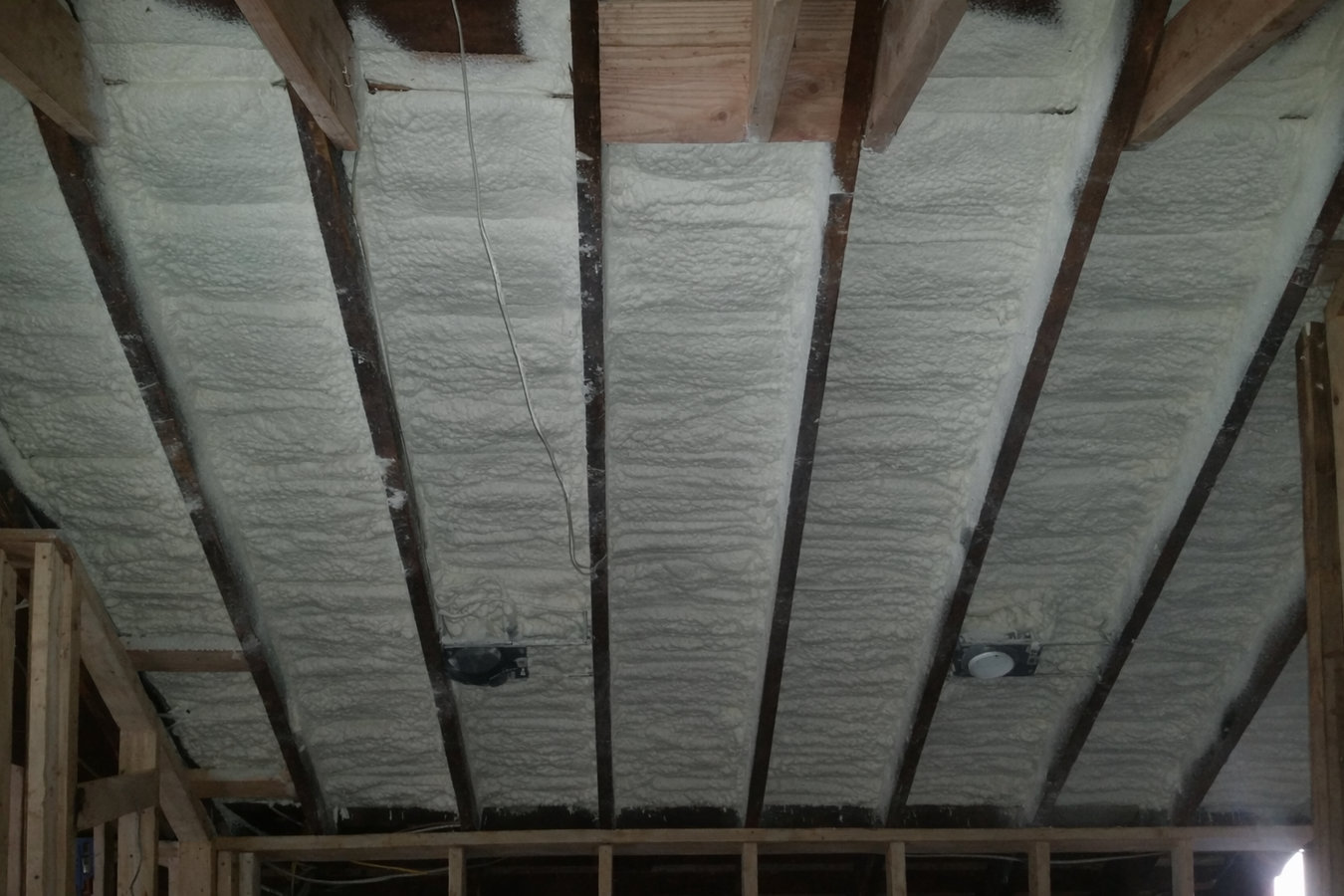
Gillette's high plains climate combines extreme cold, wind exposure, and temperature swings that demand insulation performance beyond what traditional batt can deliver in critical areas. Closed-cell spray foam creates an air barrier and thermal break in rim joists, crawl spaces, and unvented attic assemblies where air sealing and insulation need to happen at the same time. Learn more about how closed-cell foam insulation addresses both air infiltration and R-value in a single application.
Gillette receives around 60 inches of snow per year, and winter temperatures that regularly drop below zero put sustained demand on home heating systems from November through March. Homes built during the 1970s and 1980s often have original batt insulation that has compressed or settled, leaving the attic depth well below Climate Zone 5 minimums. Bringing attic insulation to current standards - R-38 minimum, R-49 recommended - lowers heating bills and reduces the load on HVAC equipment that is now 30 to 40 years old.
The frost line in Campbell County goes down 3 feet or more in a typical winter, and homes on slab-on-grade or with uninsulated crawl spaces lose significant heat through the floor assembly all season long. Insulating the crawl space walls and floor assembly, combined with air sealing the rim joist, stops cold air infiltration and eliminates the cold-floor effect that makes Gillette homes uncomfortable even when the thermostat is turned up.
Ranch-style homes in Gillette often have long, shallow attic runs with limited clearance at the eaves, making blown-in loose-fill the most practical method for bringing depth up to standard. Blown-in insulation settles evenly, fills around obstructions like ductwork and recessed lights, and does not leave gaps the way cut-to-fit batt does in irregular spaces. It is also the fastest option for topping up an existing layer without tearing out what is already in place.
Wind on the open plains around Gillette finds every gap in the building envelope and pulls heat out of a home faster than insulation alone can slow it down. Air sealing the attic - at penetrations, top plates, and around duct and plumbing chases - before adding new insulation is the difference between a job that actually lowers bills and one that just adds material on top of existing air leaks.
Crawl spaces in Gillette homes - especially those built during the 1970s and 1980s - often have bare soil or minimal ground cover, allowing moisture from the soil to rise into the floor framing. A properly installed ground-cover vapor barrier over the crawl space floor, lapped up the foundation walls and sealed at the seams, stops that moisture migration and protects wood framing from long-term degradation. It also reduces the musty odors and cold floors that homeowners associate with unfinished crawl spaces.
Gillette sits on the high plains of northeastern Wyoming at about 4,500 feet elevation in Campbell County. The terrain is open and exposed, with little natural windbreak, and the city receives around 60 inches of snow per year. Winter temperatures regularly drop below zero, and wind-driven cold infiltrates homes faster than in more sheltered areas. Summers are hot, dry, and sunny, with intense UV exposure at elevation that accelerates the aging of exterior materials and breaks down caulk, paint, and roofing faster than at lower altitudes. The frost line reaches 3 feet or more in a typical winter, causing repeated freeze-thaw cycles that crack driveways, heave foundations, and shift concrete slabs.
The majority of homes in Gillette were built during the 1970s and 1980s energy boom, when the Powder River Basin coal industry drove rapid population growth. Ranch-style single-story homes with attached garages and concrete driveways dominate the neighborhoods, and most of these homes are now 30 to 50 years old. Original insulation - typically fiberglass batt in the attic and minimal or no insulation in the crawl space - has settled, compressed, or degraded, and many homes still run the same HVAC equipment they were built with. Hailstorms are a recurring risk from May through August, and vinyl siding and asphalt shingles show damage regularly. A contractor working in Gillette needs to understand both the climate demands and the housing stock of this era to recommend the right insulation approach.
Our crew has worked on ranch-style homes across Gillette, from the older neighborhoods near downtown to the newer subdivisions on the south and west sides of the city where homes were built in the 2000s and later. We coordinate permit requirements with Campbell County for projects that need them, and we understand the building conditions common to the homes built during the energy boom - original batt insulation, crawl spaces with no ground cover, and attic clearance limited by low roof pitch.
Gillette is known as the Energy Capital of the Nation, and the community is built around the coal, oil, and gas industry that defines the Powder River Basin economy. Most homeowners we meet here work in energy or related trades, and the expectation is that contractors show up on time, do the work right, and do not waste anyone's time with vague answers or delayed responses.
We also serve Sheridan, WY, about 70 miles to the west. Both cities sit in the high plains energy corridor, and we schedule service runs to both communities regularly. Gillette is also within range of Belle Fourche, SD, which sits about 80 miles to the east - another community where homes face similar climate conditions and insulation needs.
Call or submit the contact form and we reply within 1 business day. We schedule your on-site assessment at a time that works for your schedule - no obligation and no cost.
We walk through the attic, crawl space, and any areas of concern to assess existing insulation and air sealing conditions. We provide a written estimate before any work is scheduled, so you know the cost before you commit.
Most Gillette attic jobs take one day for a two-person crew. Larger homes or projects involving removal of old material may extend into a second day. We handle permit coordination if required and keep the work area clean.
We walk through the completed work with you before we leave and answer any questions. If you notice a drafty spot or an area that did not get addressed in the weeks after - call us and we come back to look at it.
No obligation. We serve Gillette and the surrounding Wyoming communities. Replies within 1 business day.
(605) 646-9056Gillette is the largest city in Wyoming by population, with about 32,000 residents in Campbell County in the northeastern part of the state. It sits at roughly 4,500 feet elevation on the high plains, and the city has grown steadily since the 1970s due to the coal, oil, and natural gas industries centered in the Powder River Basin. The city is known nationally as the Energy Capital of the Nation, and the majority of homeowners here work in energy or related fields. About 65% of occupied housing units are owner-occupied, and median home values range from $230,000 to $250,000.
The housing stock in Gillette is dominated by single-family ranch-style homes built from the 1970s through the 1990s, with vinyl siding and asphalt shingle roofs as the most common exterior materials. Newer subdivisions on the south and west sides of the city feature homes built in the 2000s and later, but the majority of the residential neighborhoods were developed during the energy boom and are now 30 to 50 years old. The city also has a higher share of manufactured homes than most Wyoming cities, reflecting the rapid growth period when housing was needed quickly to accommodate incoming workers. Gillette is home to the Cam-Plex, a large multi-event facility that hosts rodeos, trade shows, and concerts, and Gillette College, which serves the surrounding region with workforce and academic programs. The combination of open terrain, extreme cold, and sustained wind makes insulation performance critical for comfort and energy efficiency in this climate.
High-performance spray foam that seals and insulates in a single application.
Learn moreLoose-fill insulation blown into attics, walls, and hard-to-reach cavities.
Learn moreCrawl space insulation that prevents moisture problems and cold floors.
Learn moreProfessional air sealing that stops drafts and improves HVAC efficiency.
Learn moreBasement insulation that keeps lower levels warm, dry, and comfortable.
Learn moreDense closed-cell spray foam with the highest R-value per inch available.
Learn moreFlexible open-cell spray foam ideal for interior walls and soundproofing.
Learn moreAttic air sealing that blocks conditioned air from escaping through the top.
Learn moreHeavy-duty vapor barriers that protect crawl spaces from ground moisture.
Learn moreVapor barrier installation throughout your home for moisture management.
Learn moreRetrofit insulation added to existing homes without major renovation work.
Learn moreCommercial insulation services for offices, warehouses, and industrial spaces.
Learn moreContact Rapid City Insulation Company today - we understand high plains climate demands and the housing stock from the energy boom era, and we reply to every inquiry within 1 business day.