
Loading...
Serving Rapid City, SD and surrounding areas. (605) 646-9056
Rapid City Insulation Company is the insulation contractor Custer, SD homeowners call for spray foam insulation, attic upgrades, and crawl space insulation in older Black Hills homes built when energy codes did not exist. We reply to every Custer inquiry within 1 business day.
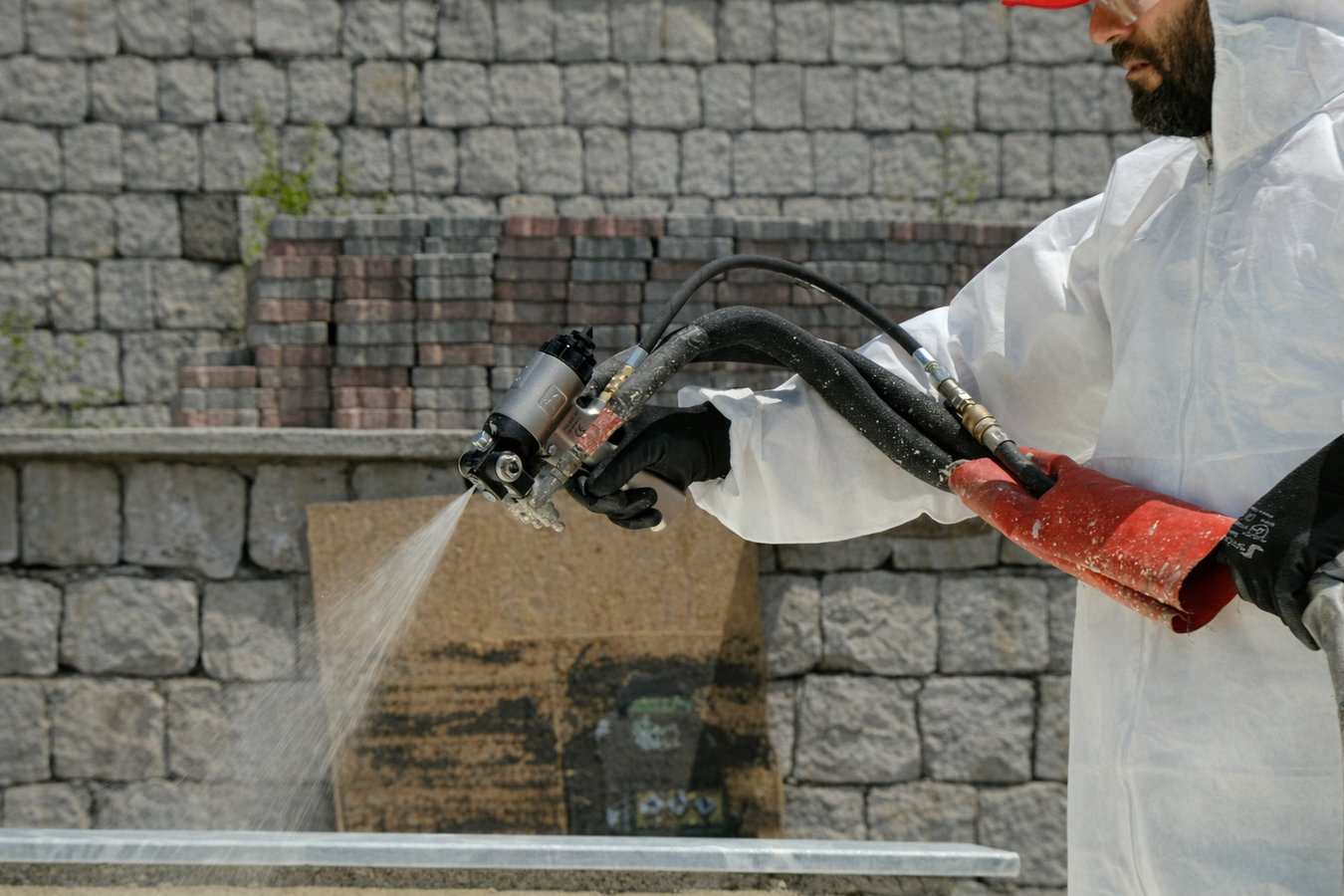
Custer homes built in the early and mid-1900s have rim joists, crawl space band joists, and structural framing gaps that let cold Black Hills air bypass whatever insulation was originally installed. Spray foam seals those penetrations and insulates them at the same time - one application that handles both air leakage and heat loss in spots where other materials cannot get a complete seal. Learn more about our spray foam insulation services and where it performs best in an older home.
At roughly 5,300 feet elevation, Custer winters are genuinely cold, and the snow loads that come with that altitude put ongoing stress on older roof structures. Most pre-1970 homes in town have attic insulation at a fraction of what Climate Zone 6 requires - often two to three inches of original material where ten to fourteen inches is the current standard. Bringing attic depth up to code reduces heating demand and cuts the temperature differential that contributes to ice dam formation along the eave.
Many Custer homes - especially older ones and vacation cabins on the edges of town near Custer State Park - sit on crawl spaces that have never been properly insulated. Cold air enters through inadequately sealed foundation vents, the floor stays cold all winter, and if the property sits empty for months at a time, moisture can build up unnoticed. Insulating the floor assembly and sealing the crawl space foundation walls stops both the cold infiltration and the moisture problem before it reaches the floor structure above.
Custer sits among ponderosa pine forest on rocky granite terrain, and the thin, shallow soil under many properties holds and releases moisture in ways that flat-lot homes in town do not experience. A properly installed vapor barrier over the crawl space floor stops ground moisture from migrating upward into the floor joists - a slow process that causes wood rot and mold long before a homeowner notices anything from inside the house. Vacation properties that sit empty through winter are especially at risk.
For attics in Custer homes with irregular framing, knee walls, or additions that were built without a clean flat ceiling, blown-in loose-fill reaches every corner without leaving gaps. It is also the most efficient way to top up an existing attic that has some usable material remaining - adding depth where it is needed without removing what is already working.
Custer homes lose a disproportionate share of their heat through unsealed gaps, not just thin insulation. Stack effect is strong in a two-story home at 5,300 feet elevation - warm air rises and escapes through bypasses over interior walls, around light fixtures, and at the attic hatch, pulling cold air in at the base of the house. Sealing those bypasses before adding insulation depth is what makes the difference between a job that cuts bills and one that looks good but does not perform.
Custer sits at about 5,300 feet in the heart of the Black Hills, surrounded by ponderosa pine forest and granite outcroppings. That elevation means genuinely cold winters - temperatures regularly fall well below zero - and significant snowfall that accumulates on roofs and driveways from November through April. The freeze-thaw cycles that follow each cold stretch are hard on everything: concrete driveways crack, foundation masonry shifts, and any moisture that has worked its way into wall or floor framing expands and contracts repeatedly through the season. Homes built during Custer's mining and ranching era - which describes most of the housing stock - were not designed for the thermal performance standards we expect today.
A meaningful portion of Custer properties are vacation cabins or short-term rentals used seasonally near Custer State Park. Properties that sit empty through the South Dakota winter develop moisture and insulation problems that go unnoticed until spring - sagged crawl space insulation, condensation damage in poorly sealed attics, and frozen pipes in spaces that were never properly conditioned. Owner-occupied homes here are largely long-term investment properties, and both groups benefit from the same thing: a tight building envelope that holds up without continuous maintenance.
The jobs we most commonly take in Custer fall into two categories: older downtown homes built from the 1890s through the 1950s on small in-town lots, and cabins or vacation properties on larger wooded parcels that ring the town toward the park. Both types present their own access challenges. Downtown homes often have very low crawl space clearance and original wood foundations that require careful work. Properties out toward the park sit on rocky, uneven lots where getting equipment to the crawl space hatch means working around mature pines and boulder outcroppings. We coordinate permit requirements through the City of Custer for work inside city limits and through Custer County for properties outside them.
Custer is well-known as a gateway community - U.S. Highway 16A runs through town toward Mount Rushmore, and the Crazy Horse Memorial is just a few miles to the north. Tourism traffic brings short-term rental demand that creates real urgency for property owners who need work done before the season opens. We schedule around those windows. We also serve homeowners throughout the southern Black Hills corridor, including our neighbors in Rapid City and in Hot Springs to the south.
Call or fill out our contact form and we will respond within 1 business day. If your property has a seasonal window - a cabin that needs to be ready before summer rental guests arrive - tell us that up front so we can plan accordingly.
We inspect the attic, crawl space, and any other areas of concern - no charge. Older Custer homes often reveal conditions during this walk-through that change the scope compared to a phone estimate, and we will not commit you to a price until we have seen what we are actually working with.
Most attic jobs in Custer finish in a single day. Crawl space work on properties with tight access or rocky terrain may extend to two days. You do not need to leave your home during the work, and we clean up before we leave.
We walk you through what was done and provide an itemized receipt that separates materials from labor - useful for any federal tax credit claims on qualifying retrofit work. If any permit inspections are required, we coordinate those before the job is considered closed.
We serve Custer, SD and the surrounding Black Hills area. No obligation - just an honest assessment of what your home needs and what it will cost.
(605) 646-9056Custer is a small city of roughly 2,000 residents in the southern Black Hills of South Dakota, sitting at about 5,300 feet elevation in a landscape of ponderosa pine forest and granite outcroppings. The town was established following General George Custer's 1874 gold expedition through the Black Hills - an event that sparked a rush of settlement and gave the town its name. Much of the residential housing stock reflects that early history, with a concentration of wood-frame homes built in the late 1800s through the mid-1900s. Downtown Custer has a compact main street, and residential neighborhoods extend along the hillsides and into the forested lots that border the town. The mix includes full-time owner-occupied homes, vacation properties, and short-term rentals that serve the large tourism market drawn by Custer's position at the heart of the Black Hills.
Custer State Park, one of the largest state parks in the country and home to a bison herd visible from the park roads, borders the town to the east and south. The Crazy Horse Memorial and its surrounding educational campus is located just north of town, and Mount Rushmore National Memorial is about 20 miles northeast. Seasonal population swings are significant - the town is quiet through the long winter and busy through the summer and fall tourism season. Homeowners in the area tend to be long-term residents who have chosen the Black Hills as a permanent or semi-permanent home. For neighboring Black Hills communities, we also serve Hot Springs to the south and Rapid City to the north.
High-performance spray foam that seals and insulates in a single application.
Learn moreLoose-fill insulation blown into attics, walls, and hard-to-reach cavities.
Learn moreCrawl space insulation that prevents moisture problems and cold floors.
Learn moreProfessional air sealing that stops drafts and improves HVAC efficiency.
Learn moreBasement insulation that keeps lower levels warm, dry, and comfortable.
Learn moreDense closed-cell spray foam with the highest R-value per inch available.
Learn moreFlexible open-cell spray foam ideal for interior walls and soundproofing.
Learn moreAttic air sealing that blocks conditioned air from escaping through the top.
Learn moreHeavy-duty vapor barriers that protect crawl spaces from ground moisture.
Learn moreVapor barrier installation throughout your home for moisture management.
Learn moreRetrofit insulation added to existing homes without major renovation work.
Learn moreCommercial insulation services for offices, warehouses, and industrial spaces.
Learn moreGet a free on-site estimate from Rapid City Insulation Company - contact us today before winter puts your older home through another season it was not built to handle.