
Loading...
Serving Rapid City, SD and surrounding areas. (605) 646-9056
Rapid City Insulation Company serves Deadwood, SD with commercial insulation, retrofit attic upgrades, and crawl space services for the historic homes and properties built into the Black Hills gulch. We reply to every Deadwood inquiry within 1 business day.
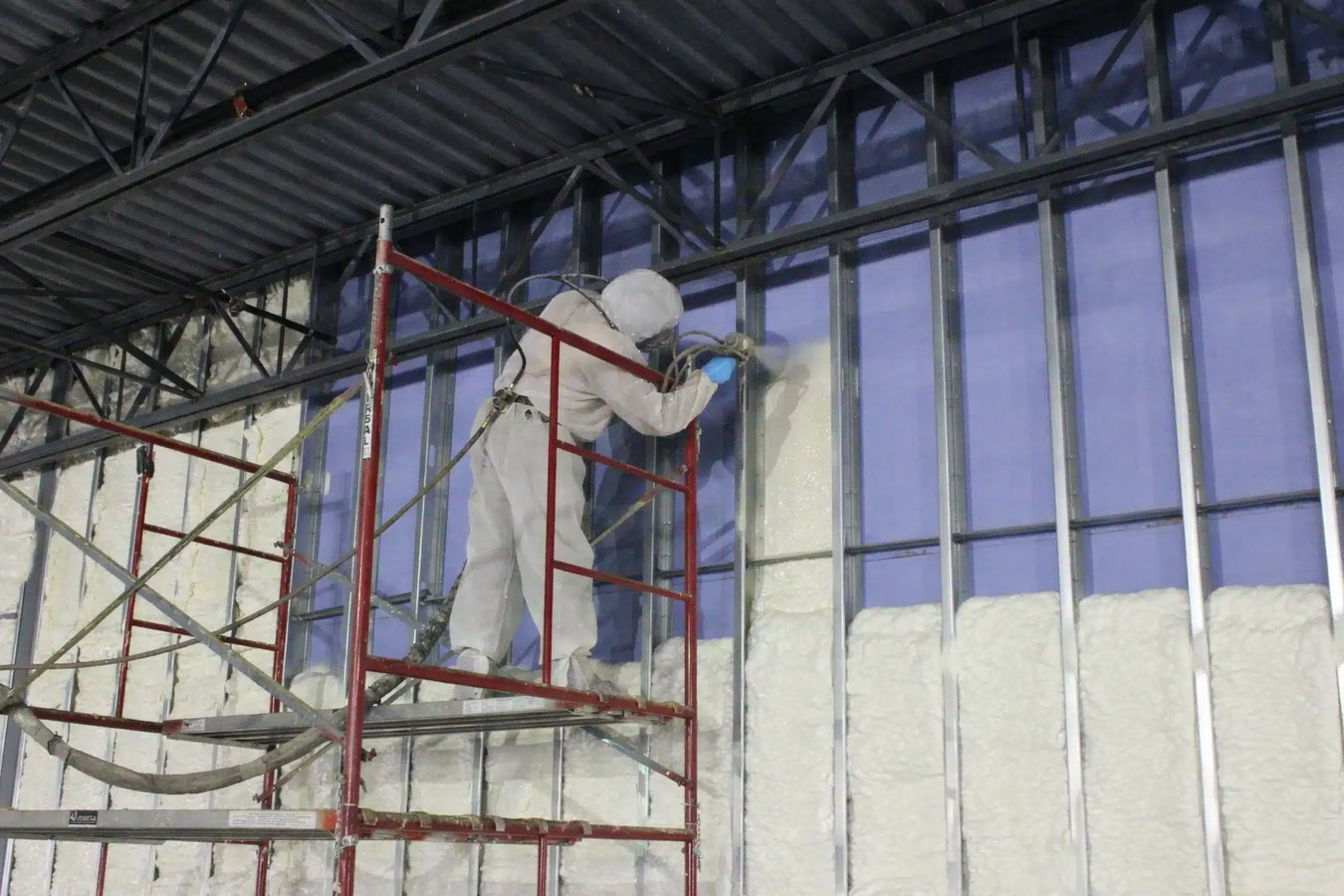
Deadwood's downtown is lined with casino-hotels, restaurants, and event venues that run year-round and face the same 100-plus-inch snow seasons as the residential properties up on the hillsides. Proper commercial insulation reduces heating and cooling costs in buildings that are occupied around the clock, and in a historic structure it has to be applied without disturbing exterior features or triggering preservation review. See what goes into a commercial insulation project to understand the difference between a standard job and work done in an older building.
Most homes in Deadwood were built in the late 1800s or early 1900s, long before current energy codes existed. Retrofitting insulation into wall cavities, attic floors, and crawl space assemblies in these homes means working with framing dimensions, floor plans, and access points that were designed for a different era. We assess what is already in place before recommending what to add and how.
Deadwood sits at about 4,500 feet and takes over 100 inches of snow in a typical winter. Inadequate attic insulation allows heat to escape the living space, warm the underside of the roof deck, and melt snow unevenly - the process that creates ice dams along the eaves of older homes. Bringing attic depth up to Climate Zone 6 minimums reduces both ice dam risk and the heating load the furnace has to carry through January and February.
Deadwood's hillside lots sit at varying grades, and the crawl spaces under older homes often follow the contour of the slope - sometimes with very low clearance at one end and more headroom at the other. Spring snowmelt off those slopes saturates soil around and under foundations built a century ago, creating a recurring moisture problem that insulation and vapor control address from the inside. Cold floors in winter are a direct symptom of an uninsulated crawl space in this climate.
Attic framing in Deadwood's older homes often includes dormers, modified rafter runs, and knee walls that make cut-to-fit batt insulation impractical. Blown-in loose-fill settles into irregular spaces and fills around obstructions that batt would bridge or leave uncovered. It is also the fastest method to bring a low-depth attic up to standard when the existing framing is too tight for safe maneuvering with large rolls of batt.
The combination of heavy snowfall, steep terrain, and older foundations in Deadwood creates persistent crawl space moisture year after year. A properly installed ground-cover vapor barrier stops soil moisture from rising into floor framing, reduces the cold-floor effect felt in living spaces above, and removes the damp environment that accelerates rot and mold in wood members that are already a century or more old.
Deadwood sits in a narrow gulch in the northern Black Hills at roughly 4,500 feet elevation. The terrain is steep and confined, with residential streets running up the hillsides above a downtown that was built in the 1870s and has been in continuous use since. Winters bring over 100 inches of snow, temperatures that regularly drop below zero, and freeze-thaw cycles that stress every foundation, driveway, and exterior surface on the property. The compressed geography means snowmelt from the hillsides above residential streets channels directly toward homes rather than draining away across open ground.
The housing stock is what truly sets Deadwood apart. The entire city is a National Historic Landmark, and most homes were built between the 1870s and the 1930s using the materials and methods of that era - wood framing, wood siding, stone or brick foundations, and in many cases, original single-pane windows. These homes were not built with insulation as a priority, and a century or more of seasonal movement, patching, and partial renovation has created a building envelope full of gaps, compressed original material, and inconsistent coverage. A contractor working in Deadwood needs to understand pre-modern construction details and know how to improve performance without damaging historic fabric.
The properties we work on most often in Deadwood are the wood-frame homes on the hillside streets above Main Street - lots where the grade drops sharply, the crawl space clearance varies along the length of the foundation, and getting equipment close to the house requires planning around tight street access and parked cars. We work with the City of Deadwood on permit requirements for projects that require them, and we are familiar with how insulation improvements interact with the historic character of buildings in this community.
Deadwood is immediately adjacent to Lead, SD, and we serve both communities regularly - the housing stock and terrain challenges are similar, and many homeowners in the Lawrence County area have referred neighbors between the two towns. Main Street runs the full length of the downtown gulch, and the neighborhoods climb both hillsides above it. Mount Moriah Cemetery sits at the top of one of those hillsides, and the homes in that part of town sit at the highest elevations and get the most direct winter wind exposure.
We also serve Spearfish, SD, about 20 miles to the north. Homeowners in Deadwood sometimes contact us after a Spearfish referral, and we schedule both communities on the same service runs through the northern Black Hills corridor.
Call or submit the contact form and we reply within 1 business day. We schedule your on-site assessment at a time that works for you - no obligation and no cost.
We walk through the property - attic, crawl space, and any areas of concern - to assess existing conditions. We explain what we find and provide a written estimate before any work is scheduled, so you know the cost before you commit.
Most Deadwood jobs take one day for a two-person crew. We handle permit coordination if required and respect the historic fabric of the property - interior improvements like insulation do not affect the exterior appearance of the building.
We walk through the completed work with you before we leave and answer any questions. If you notice anything in the weeks after - a cold spot, a drafty area we did not address - call us and we come back to look at it.
No obligation. We serve Deadwood and the surrounding Black Hills communities. Replies within 1 business day.
(605) 646-9056Deadwood is a city of about 1,300 permanent residents in Lawrence County in the northern Black Hills. It sits inside a steep, narrow canyon - known locally as a gulch - where the layout of the streets, the size of the lots, and the footprint of every building is shaped by the terrain. The city was founded during the 1876 Black Hills gold rush and became one of the most storied towns in the American West. It was designated a National Historic Landmark in 1961, and the entire downtown district retains its late 1800s and early 1900s character. Casinos, hotels, and restaurants bring millions of visitors through each year, while long-term residents own and maintain the homes on the hillside streets above.
Residential neighborhoods in Deadwood run up both sides of the gulch, with homes built on small, sloped lots that step up the hillsides. Wood-frame construction from the late 1800s through mid-1900s dominates, with most homes on original or minimally updated foundations. Mount Moriah Cemetery - burial site of Wild Bill Hickok and Calamity Jane - sits at the top of one hillside and is a well-known community landmark. The city borders Lead, SD to the south, and the two towns share a continuous built environment along US-85 through the Black Hills. Both communities face the same combination of heavy snow, steep terrain, and century-old housing stock that makes insulation work genuinely different here from anywhere else in the region.
High-performance spray foam that seals and insulates in a single application.
Learn moreLoose-fill insulation blown into attics, walls, and hard-to-reach cavities.
Learn moreCrawl space insulation that prevents moisture problems and cold floors.
Learn moreProfessional air sealing that stops drafts and improves HVAC efficiency.
Learn moreBasement insulation that keeps lower levels warm, dry, and comfortable.
Learn moreDense closed-cell spray foam with the highest R-value per inch available.
Learn moreFlexible open-cell spray foam ideal for interior walls and soundproofing.
Learn moreAttic air sealing that blocks conditioned air from escaping through the top.
Learn moreHeavy-duty vapor barriers that protect crawl spaces from ground moisture.
Learn moreVapor barrier installation throughout your home for moisture management.
Learn moreRetrofit insulation added to existing homes without major renovation work.
Learn moreCommercial insulation services for offices, warehouses, and industrial spaces.
Learn moreContact Rapid City Insulation Company today - historic properties and tight hillside lots are our specialty, and summer is the best window to get the work done before Black Hills winter returns.