Loading...
Serving Rapid City, SD and surrounding areas. (605) 646-9056
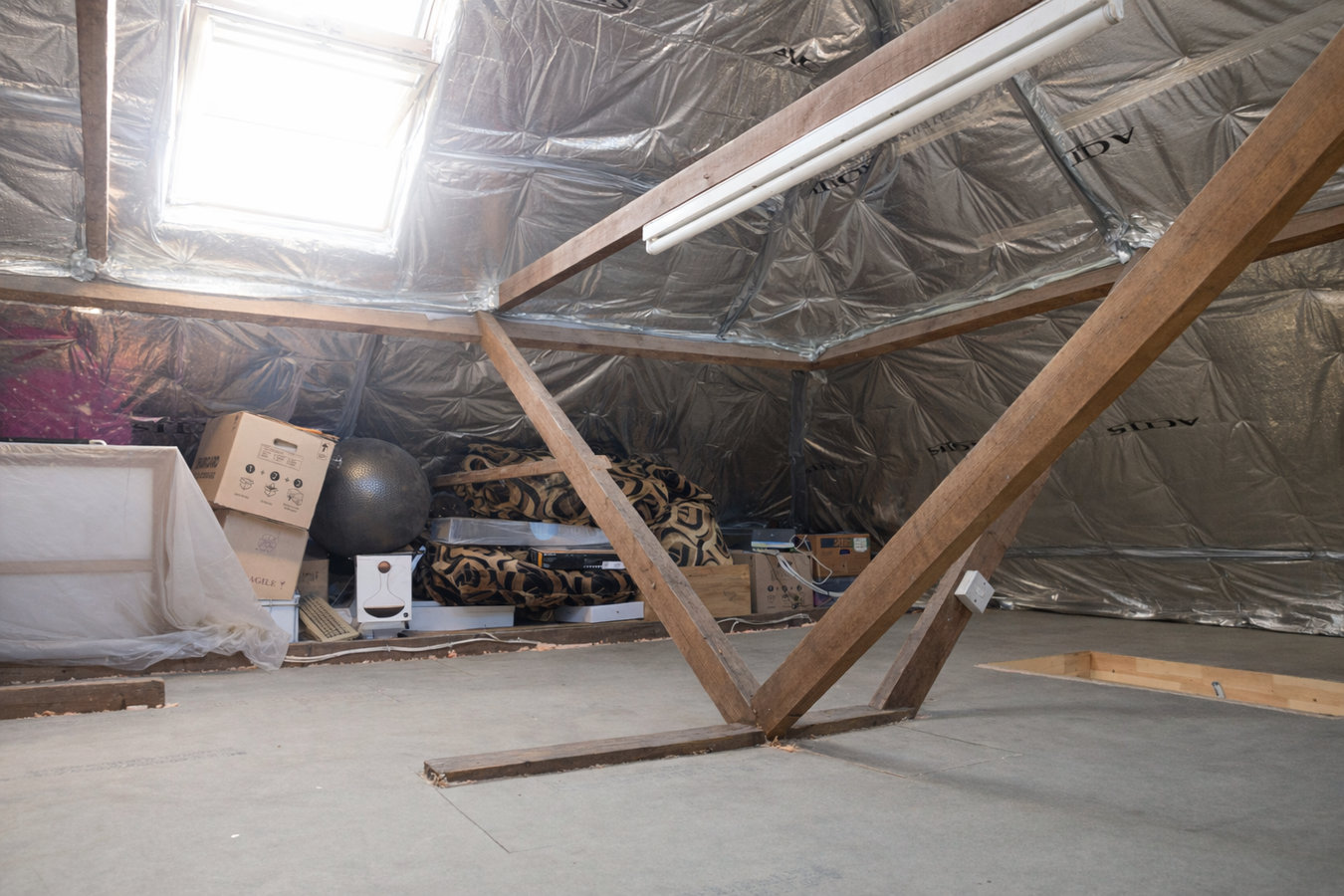
If your upstairs rooms are cold in January and your furnace runs constantly, thin or aging attic insulation is usually the cause. We install the right depth for Rapid City's climate - with air sealing included - so your home holds its temperature all season.
Attic insulation in Rapid City holds the heat your furnace produces inside your home rather than letting it escape through the roof - most jobs on a single-family home are completed in a single day. The federal government recommends R-49 to R-60 for attics in this climate zone, which is among the highest in the country. Homes built before 1980 often have a fraction of that, and many have never been upgraded at all.
A good attic insulation job does two things: it adds material to the right depth, and it air-seals the gaps around pipes, wiring, and light fixtures before the insulation goes in. Skipping the air-sealing step means warm air from your living space keeps flowing directly into the attic - bypassing even thick insulation. Wind and cold pressure in Rapid City make that gap worse than it would be in a calmer climate.
Many homeowners combine an attic upgrade with blown-in insulation for other areas of the home, or add attic air sealing as a standalone step first to stop the most urgent leaks.
If your gas or electric bill climbs sharply during the coldest months and your furnace seems to run constantly, inadequate attic insulation is one of the first things worth checking. You should not need the furnace running around the clock to stay comfortable in a well-insulated home.
Heat rises and escapes through the attic, so rooms directly below the ceiling are the first to feel it when insulation is thin. If your upstairs bedrooms are consistently colder in winter or stuffy in summer, that temperature difference is a clear signal - especially in Rapid City homes built in the 1960s and 1970s.
If you have looked into your attic on a cold day and seen frost or ice on the wooden boards above you, warm air from your living space is escaping and condensing on the cold roof surface. Left unaddressed, it causes moisture damage and mold over time.
If you can see the tops of the wooden joists poking above the insulation, you almost certainly do not have enough. Insulation that looks gray, matted flat, or has dark streaks has likely lost effectiveness and may have moisture or airflow problems underneath.
Rapid City Insulation Company installs blown-in and batt attic insulation, with air sealing performed before any new material goes in. For most existing homes in Rapid City, blown-in loose-fill is the right choice - it fills the odd-shaped spaces and gaps that batts cannot reach without tearing out the ceiling. We also handle full insulation removal when the existing material is wet, pest-damaged, or too degraded to build on top of.
For homes where the attic is accessible and well-framed - such as newer builds on the north end of Rapid City - batt insulation is a practical option for new construction or open renovations. Either way, the air sealing step comes first. In Rapid City's cold and windy climate, skipping it means warm air keeps escaping no matter how much material goes on top.
Fills irregular spaces and gaps; the most common choice for existing Rapid City homes.
Pre-cut blankets for open attics in new construction or accessible renovations.
Gaps around fixtures, pipes, and framing are sealed before any insulation is installed.
Full removal when existing material is wet, moldy, pest-damaged, or too degraded to build on.
Depth markers confirm the installed thickness meets the recommended level for this climate zone.
Written record of material, depth, and coverage for tax credits and utility rebates.
Rapid City's climate sits in one of the colder federal climate zones in the country. Winter temperatures regularly go below zero, and strong sustained winds push cold air through every gap in a home's envelope. Attic bypasses - the small openings around pipes, wiring, and light fixtures - that might be minor in a calmer climate become significant heat-loss points here. That is why air sealing before insulating matters more in Rapid City than in most other parts of the country.
Many homes across the region - including those in communities like Box Elder and Deadwood - were built in an era when attic insulation standards were a fraction of today's recommendations. A contractor who knows the local housing stock will recognize that quickly during an assessment. Late-summer wildfire smoke from the Black Hills is another reason to get the air sealing right - a properly sealed attic is one of the main barriers between outdoor smoke and your indoor air.
We ask about your home's age, any comfort or energy bill problems, and whether you have been in the attic recently. We respond within 1 business day and can typically schedule an in-home visit within a few days.
We go up into the attic, measure existing insulation depth, check for moisture or pest damage, and look for air gaps. You get a written estimate - no verbal-only quotes - with what was found, what is recommended, and the cost.
Before any new material goes in, we seal the gaps in your attic floor. This step is invisible once the job is done but is the most important part. Then we blow in insulation to the correct depth, using depth markers to confirm the level.
We clean up any material outside the attic and leave you with a written record of what was installed and to what depth. You will need this for the federal tax credit and any utility rebate applications.
We respond within 1 business day. No obligation - just an honest look at what your attic needs and what it will cost. After you submit, someone from our office calls to schedule a free on-site estimate at a time that works for you.
(605) 646-9056We install to the federally recommended R-49 to R-60 range for this climate zone - not an approximation. Depth markers confirm the level before we leave, and you can look for them yourself. That documentation is what you need to claim the federal energy efficiency tax credit.
We air-seal before insulating on every attic project. In Rapid City's windy climate, this is not optional - it is the step that makes the insulation work. Contractors who skip it are leaving a large part of the job undone.
Every attic job starts with a free written estimate and a clear scope of work, so you know the material, the R-value, and the price before we begin. We document the finished job and coordinate any permits your project needs, leaving you with a record of what was installed.
You do not need to leave your home during the job. Our crew runs equipment through the attic hatch, works in the attic, and cleans up before leaving. Most Rapid City homes are finished in three to five hours. Same-week scheduling is available in most cases.
The combination of the right depth, proper air sealing, and written documentation is what separates an attic job that actually performs from one that looks done but leaves heat escaping. The ENERGY STAR Seal and Insulate program outlines the same standard we follow on every project.
Blown-in loose-fill is the standard method for Rapid City attics - learn how it compares to batts and what the installation process looks like.
Learn moreAir sealing the gaps in your attic floor is the step that makes insulation work - we offer it as a standalone service or bundled with insulation installation.
Learn moreRapid City winters arrive with little warning - book your attic insulation job before the cold sets in and the schedule fills up.